
What if that must-do maintenance job in your commercial kitchen was in fact a hidden opportunity for stronger commercial success?
That’s the realization I gained when I ran into the requirement to replace the unit. This key piece of equipment has advanced significantly since its roots in the Victorian era. Current technology delivers solutions well beyond outdated systems.
Read More About Grease Trap Cleaning

Website About Grease Trap Pumping

Read More About Grease Trap Pumping
For me, replacing it was not just a line item. It was a strategic move to cut long-term costs and to prevent plumbing issues down the road. I knew this upgrade would affect my kitchen operations for years to come.
For that reason I entrusted this critical service entirely to the pros at Grease Cleaning Pros. Their thorough understanding of both technical and hands-on sides of this process left me with total confidence.
This resource is the complete guide I would have wanted.
It guides you through all the important factors to consider for a trouble-free, well-planned Grease Trap Replacement that helps your full operation.
Overview Of Grease Trap Replacement In Commercial Kitchens
The unseen plumbing systems and lines in any commercial kitchen serve a critical role in day-to-day operations and long-term reliability. Learning about these components helps operators to make well-informed decisions about maintenance and upgrades.
Why Grease Traps Are Essential For Your Kitchen
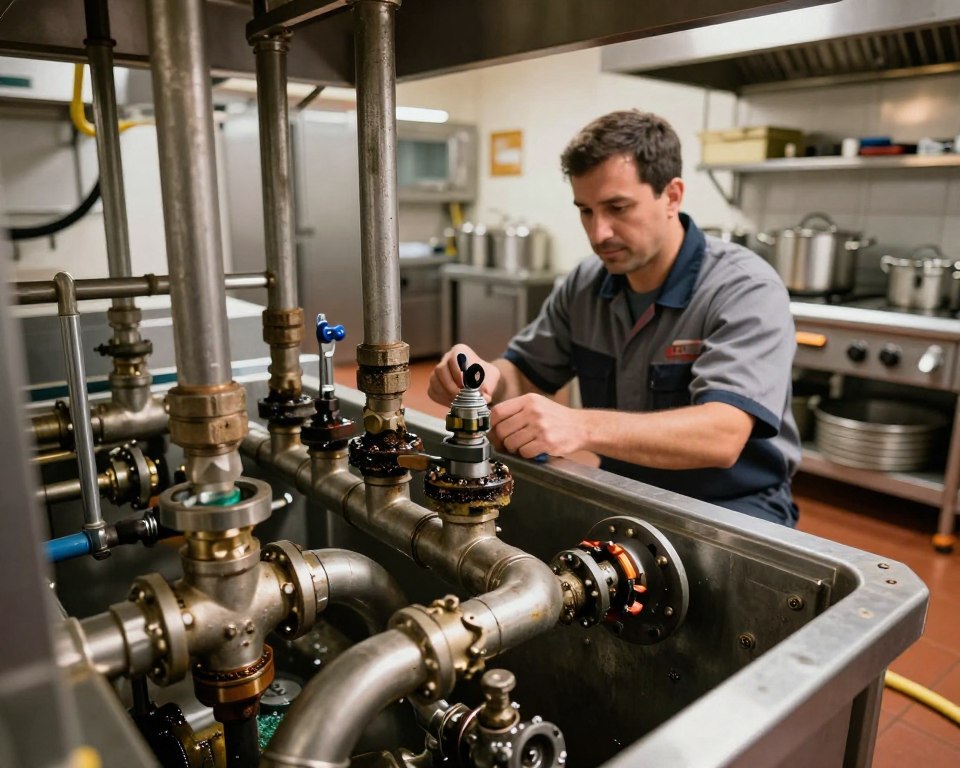
These specialized plumbing components intercept fats, oils, and grease before they flow into the sewer system. Without effective interception, severe clogs can interrupt a whole kitchen workflow.
The internal baffle system inside these units slows water flow , allowing separation to take place naturally. Water moves through the outlet while unwanted solids remain trapped. This process reduces blockages in drain lines and avoids potential sewer overflows.
How Grease Trap Replacement Enhances Operational Efficiency
Replacing outdated equipment with professional services boosts wastewater control substantially. Modern technology cuts the frequency of plumbing issues that can halt production.
Correctly designed systems also help maintaining compliance with health & environmental regulations. This protection reduces penalties and potential operational shutdowns that can hurt continuity.
| Common Problems Without Proper Systems | Benefits With Modern Equipment | Impact on Kitchen Operations |
|---|---|---|
| Repeated drain clogs | Steadier wastewater flow | Less downtime |
| Backups in sewer lines | Overflow prevention | Continuous production |
| Compliance violations | Compliance kept | Business protection |
| High-cost plumbing repairs | Long-range savings | Budget stability |
Key Factors To Consider In Grease Trap Replacement
Picking the right unit for kitchen plumbing required more than only comparing sticker prices. I had to know the complete financial picture that would influence the business for years.
This wider approach reduced costs and prevented surprise shutdowns.
Total Cost Of Ownership Beyond The Purchase Price
The upfront price covers only one part of the total investment. I had to learn to factor in recurring expenses like scheduled pumping fees and maintenance costs. These repeat costs can significantly affect the yearly budget.
Some models may require replacement in half the lifespan than longer-lasting options. Replacing early can cancel out any early savings. Going with higher-quality equipment tends to be more cost-effective long-term.
Automatic systems can reduce how often servicing is needed, saving time and money. Higher-capacity models often require less frequent emptying. These efficiencies add to lasting value.
Maintenance, Cleaning, And Availability Of Replacement Parts
Different interceptor types come with different upkeep needs. Some operations assign staff to handle cleaning internally. Others prefer a professional service for consistent outcomes.
Parts availability and lead time was a major factor in my case. Being forced to wait weeks for an essential component during busy periods can disrupt service. I confirmed that critical parts were available quickly.
Routine maintenance schedules help budget costs and avoid surprises. Learning expected replacement intervals enables more accurate budgeting. This proactive approach protects your business from surprise downtime.
Assessing Durability And Code Compliance
The material makeup in my new unit was a decisive factor in how I decided. I required a system that could withstand daily kitchen demands while complying with all legal requirements.
Evaluating Materials And Long-Term Reliability
Concrete units often corrode quickly under constant exposure to kitchen waste. They often can’t handle the harsh conditions as time goes on.
Many older metal designs usually last around seven years before breakdown sets in. A short lifespan leads to frequent system changes.
Modern units use stainless steel and corrosion-resistant polyethylene. Examples like Big Dipper and Trapzilla have demonstrated track records that exceed twenty years.
Newer plastic-based models stand up to both corrosion and rust effectively. That durability helps justify the upfront cost by extended lifespan.
Regulatory compliance is just as important for my operation. The unit has to meet all local, state, and federal regulations from day one once installed.
Grease Cleaning Pros helped me navigate requirements set by health departments, building inspectors, and sewer authorities. They confirmed the selected unit matched each plumbing and building standard.
Grease Trap Replacement Options And Best Practices
Facing a malfunctioning unit takes a careful evaluation of repair versus replacement. This choice affects kitchen performance and budget significantly. I consider multiple factors before deciding on the best path forward.
Comparing Repair Versus Replacement Remedies
Slight leaks at seals tend to signal normal wear. These leaks can often be repaired with professional repair service. That approach keeps costs down if the equipment is still fairly new.
But, ongoing clogs and significant structural damage indicate underlying issues. An aging unit with corrosion may need a full system swap. A replacement is the most practical option at that point.
I compare near-term repair costs against long-term operational efficiency. Frequent breakdowns create hidden costs through lost time. A new unit often turns out more affordable in the long run.
Selecting A Reliable Service Provider
I choose Grease Cleaning Pros because of their thorough assessment process. They help me determine whether a repair or a new unit best fits the business. Their experience stops small problems from becoming big disruptions.
Professional installation ensures proper sizing and code compliance. This attention to detail helps protect my kitchen from plumbing problems later. Working with experts builds confidence in equipment performance.
Sizing And Installation Considerations For Commercial Kitchens
Calculating the correct specifications for my foodservice facility’s drainage system took careful planning. Getting this right affects both code compliance and efficiency in a major way.
Working with Grease Cleaning Pros helped me pinpoint the precise capacity my operation requires. They account for sink sizes, appliance outputs, and daily meal volume.
Understanding Capacity Needs And Space Constraints
What you serve strongly affect the makeup of wastewater. A kitchen serving fried foods creates heavier loads than a kitchen preparing salads.
Many urban sites can lack space for traditional large units. Grease Cleaning Pros showed me compact solutions that can fit basement or multi-floor builds.
Their tools determine exact requirements without wasteful oversizing. This approach saves money while ensuring code compliance.
Proper dimensioning helps prevent repeat clogs and high-cost emergency calls. It also supports a smooth workflow at peak times.
Maintaining Your Grease Trap For Long-Term Performance
Proper care of the drainage system extends service life while protecting the business from expensive plumbing emergencies. I work with Grease Cleaning Pros to build a maintenance routine that keeps everything running well.
Their guidance helps me prevent big issues that may take down kitchen operations. Routine attention prevents minor problems from turning into big headaches.
Effective Cleaning And Routine Maintenance Tips
I book professional cleaning every 1 to 3 months depending on kitchen volume. This regular cleaning removes accumulated debris before it causes blockages.
Between scheduled visits, I rely on sink strainers to stop food particles. My staff knows to place food waste in designated bins rather than down the drain.
Recognizing Early Signs Of Grease Trap Failure
I look for warning signals like odd odors or sluggish drainage. These often signal emerging issues that call for quick attention.
Blocked pipes and frequent pumping needs show that the system is struggling. I address these warnings fast to prevent a full failure.
Strategies For Preventing Plumbing And Sewer Issues
Regular inspections spot leaks and early corrosion before they worsen. This proactive approach helps me avoid emergency repair calls and service disruptions.
Correct waste disposal stay the first line of defense. Training employees correctly prevents most drainage issues before they start.
| Maintenance Practice | Frequency | Expected Outcome |
|---|---|---|
| Professional cleaning | Every 1–3 months | Prevents blockages and odors |
| Sink strainer use | Daily | Reduces solid waste entry |
| Staff training | Continuous | Proper waste disposal habits |
| Visual checks | Each week | Early issue detection |
Conclusion
Investing in proper wastewater management has been essential for business success. Choosing Grease Cleaning Pros for my equipment needs gave specialist guidance throughout every step.
This resource covered the essential factors for making well-informed decisions. From recognizing why these systems are crucial to selecting the right type and the correct size, each consideration is important.
Looking at total costs beyond just the upfront cost supports lasting value. Accurate sizing and compliance protect operations from code issues while successfully handling kitchen output.
Using professional help makes sure the installation and maintenance are correct. This working relationship helps prevent major plumbing issues that may interrupt a commercial kitchen.
I urge other operators to rely on this in-depth resource when facing system decisions. Using these best practices protects your plumbing systems and ensures steady operations for many years.
FAQ
How do I know when my commercial kitchen needs a new system instead of just a repair?
What factors influence the total price of installing a new unit in my food service establishment?
What are the benefits of choosing a high-quality, durable material for my new interceptor?
Can I handle the cleaning and upkeep myself, or should I hire a professional service?
How important is correct sizing for my new interceptor, and what happens if it’s wrong?
Related: How Grease Trap Cleaning in Bellflower Improves Kitchen Hygiene